
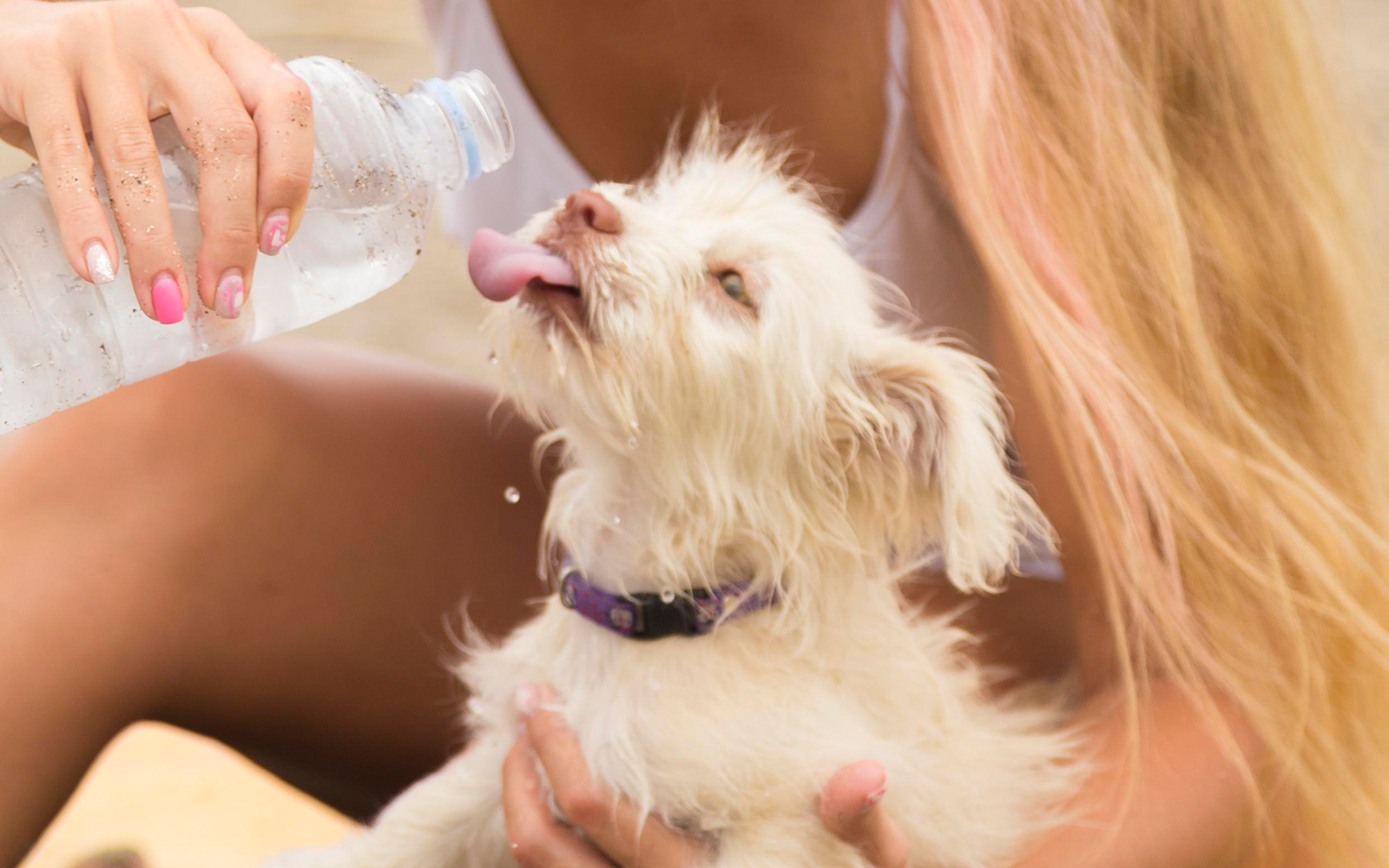

Pets need extra protection during extreme heat
Animals can overheat quickly during very hot and humid weather, particularly when exercising or resting somewhere without shade and ventilation.
With temperatures in Malta forecast to approach 40°C, owners should adjust their pet’s routine rather than expecting the animal to cope with its normal summer schedule.
Move walks to cooler hours
Dogs should be walked early in the morning or later in the evening, when both the air and ground are cooler.
Exercise should be kept gentle and shorter than usual. Animals should not be forced to run, play or walk during the hottest part of the day, particularly between 11am and 4pm.
Older, overweight, unwell and flat-faced dogs may face a higher risk of heatstroke and require additional care.

Check the pavement first
Asphalt and other hard surfaces can become hot enough to burn an animal’s paw pads.
Malta’s health guidance recommends the five-second pavement test: place your hand against the surface for five seconds. Postpone the walk when it is too uncomfortable to keep your hand there.
Choose grass and shaded routes where possible.
Keep water and shade available
Pets should always have access to fresh, cool water in a stable bowl that cannot be easily tipped over.
They also need a shaded and well-ventilated resting place. Indoors, allow them to choose between different areas rather than restricting them to a single hot room.
A damp towel can be placed on the floor for a dog to lie on. Do not wrap or cover the animal with a wet towel, as it may trap heat instead of allowing it to escape.
Never leave an animal in a vehicle
An animal should never be left inside a closed or parked vehicle, even when the stop is expected to last only a few minutes.
Opening a window slightly does not make a parked vehicle safe during extreme heat.
Recognise signs of heat stress
Warning signs include:
Excessive panting or difficulty breathing
Heavy drooling
Restlessness or distress
Weakness or unsteadiness
Abnormal gum or tongue colour
Collapse or reduced responsiveness
Move the animal away from the heat and seek emergency veterinary assistance when these signs appear.