The origins of Halloween can be traced back more than 2,000 years to the ancient traditions of the British Isles. Long before trick-or-treating, fancy dress costumes and pumpkin carving became popular, Halloween was a deeply spiritual occasion, marking the transition between summer and winter, the harvest season and the darker months ahead.
More than 2,000 years ago, Celtic communities across Ireland, Scotland and parts of Britain celebrated an ancient festival known as Samhain.
Traditionally beginning on the evening of 31 October, the festival marked the end of the harvest and the beginning of winter. It was also associated with the start of the Celtic year.
The Celts believed that this time of year was particularly mysterious, as the boundary between the world of the living and the world of the dead was thought to become thinner. According to ancient beliefs, spirits could return to the earthly world and mingle with the living.
To protect themselves from harmful or mischievous spirits, communities lit enormous bonfires. Some people also wore disguises, sometimes made from animal skins, in the belief that they could confuse or frighten away supernatural visitors.
As Christianity spread throughout Europe and the British Isles, older seasonal traditions gradually became connected with Christian celebrations.
In the eighth century, Pope Gregory III established 1 November as All Saints’ Day in Rome, a celebration honouring saints and martyrs. The evening before became known as All Hallows’ Eve. Over time, this name was shortened to Halloween.
The following day, 2 November, became known as All Souls’ Day, when Christians traditionally prayed for the souls of the dead.
Modern trick-or-treating has its roots in old British and Irish traditions. In medieval England, souling involved visiting houses and offering prayers for the dead in exchange for small cakes known as soul cakes.

In Scotland and Ireland, guising saw children dress up and visit homes, performing songs or poems in return for food, nuts or coins. These customs helped inspire today’s trick-or-treating.
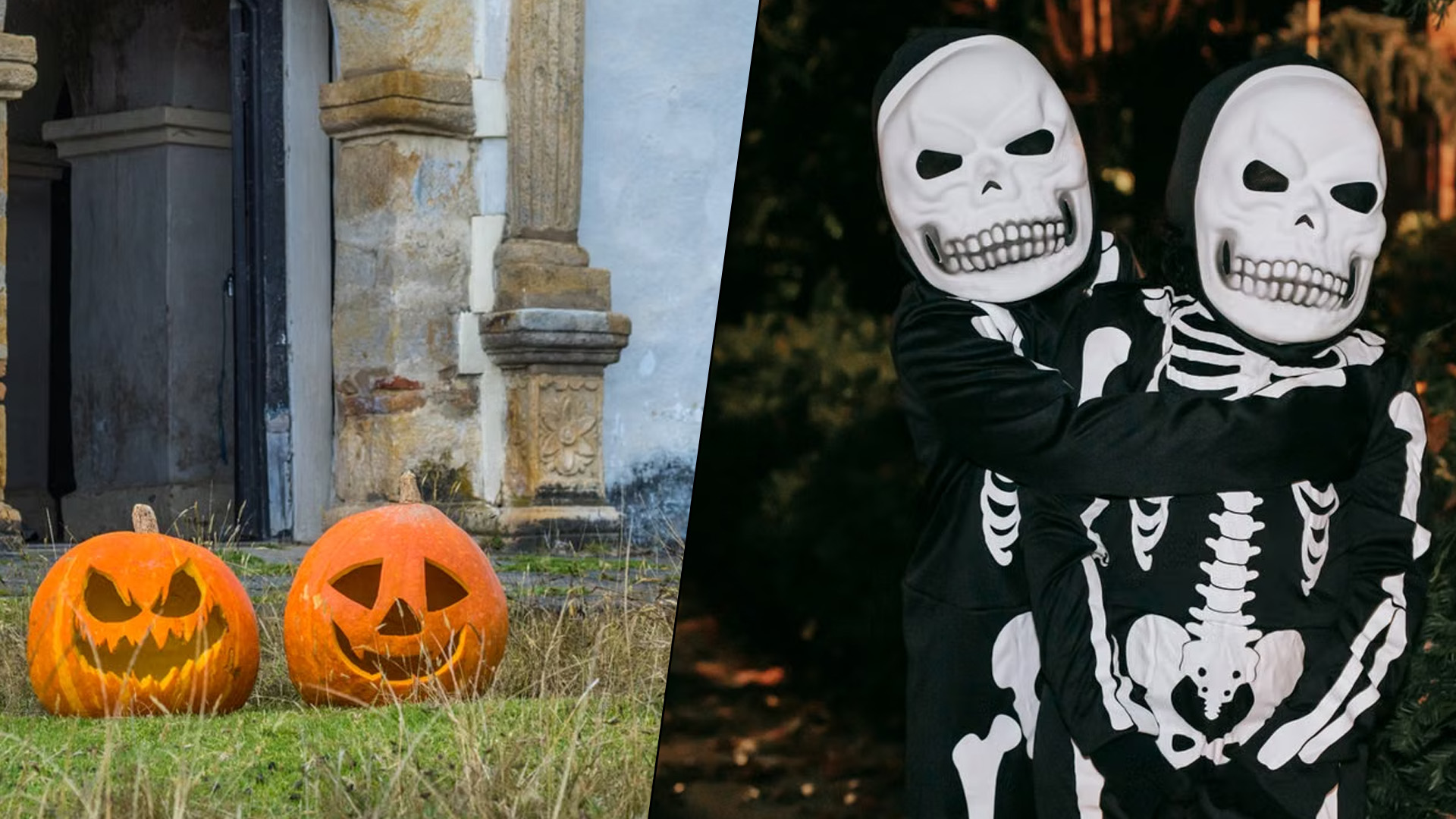
The jack-o’-lantern was not always made from a pumpkin. In Ireland and Scotland, people originally carved faces into turnips and placed candles inside them.
During the nineteenth and twentieth centuries, Halloween grew in popularity in the United States. Traditions such as trick-or-treating, fancy dress parties and spooky decorations gradually developed into the celebrations we recognise today.
From the ancient Celtic festival of Samhain to today’s Halloween celebrations, the traditions have changed considerably over the centuries.
What began as a seasonal festival has become a worldwide celebration of mystery, folklore and fun.
Do you celebrate Halloween?
Photo source: Charles Parker
#MelaBonġu